Most workshops send work out for the same reason: the orders are there, and the machine time is not.
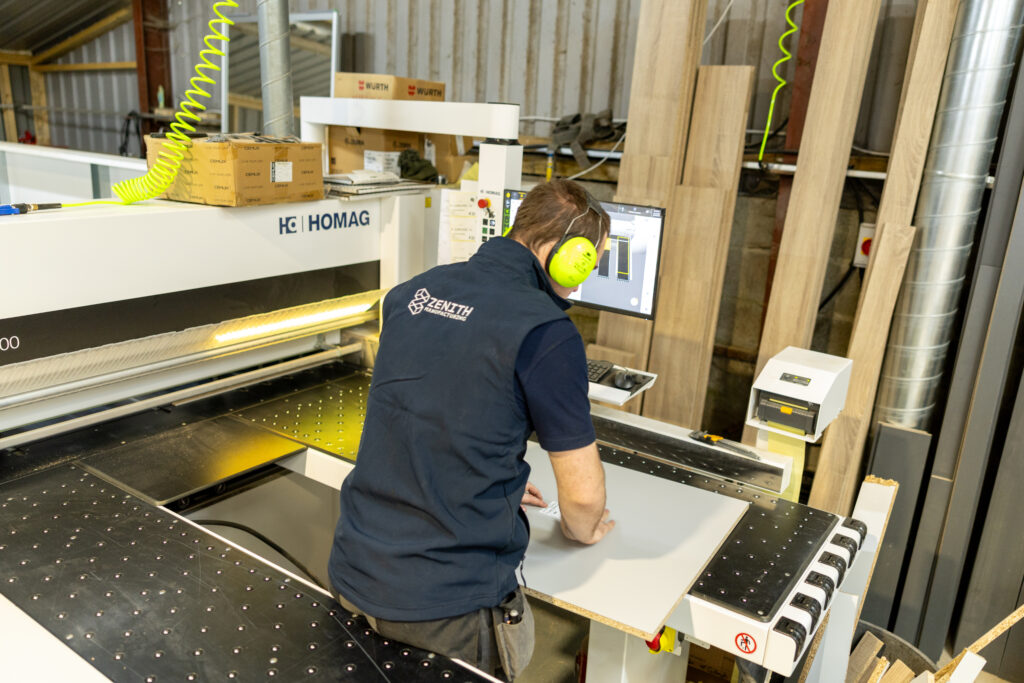
If you build kitchens, wardrobes or fitted joinery, there comes a point where your own saw, router or edgebander is what holds a job up. Sending the cutting out is one way past it without buying another machine.
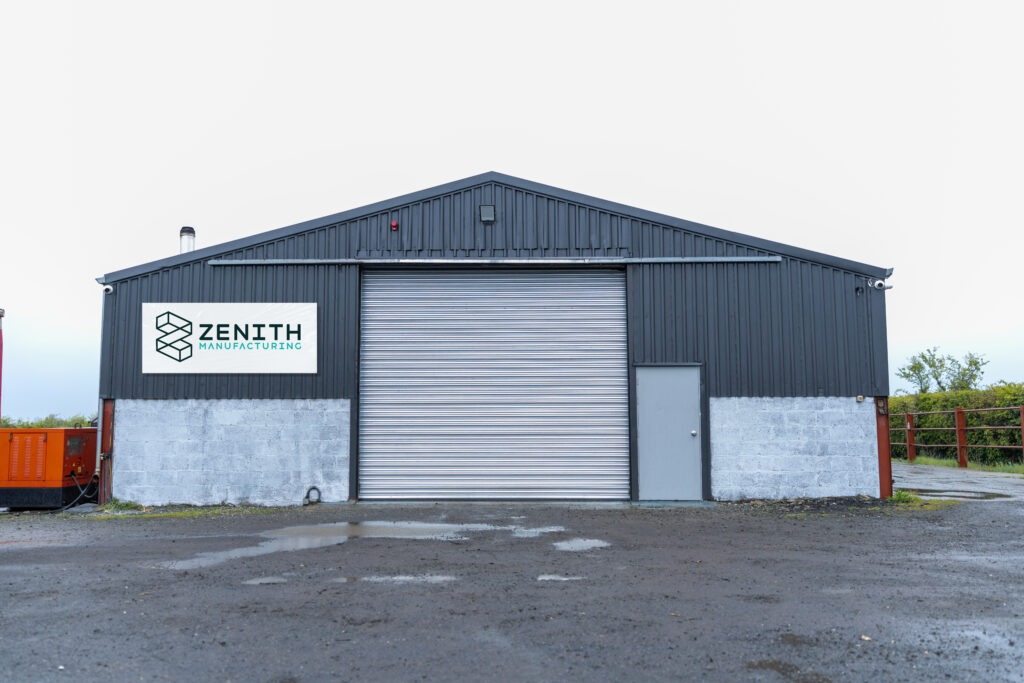
This guide is for that decision. It covers when it makes sense, what a trade workshop does with a job, what to put in the brief and what to ask before you choose one. It is written from the receiving end: Zenith Manufacturing cuts, routes, drills and edges panels for kitchen manufacturers, cabinet makers and joinery companies from our workshop in Dunleer, Co. Louth.
When does it make sense to send the cutting out?
There are three situations where it usually does.
Your own machines are full
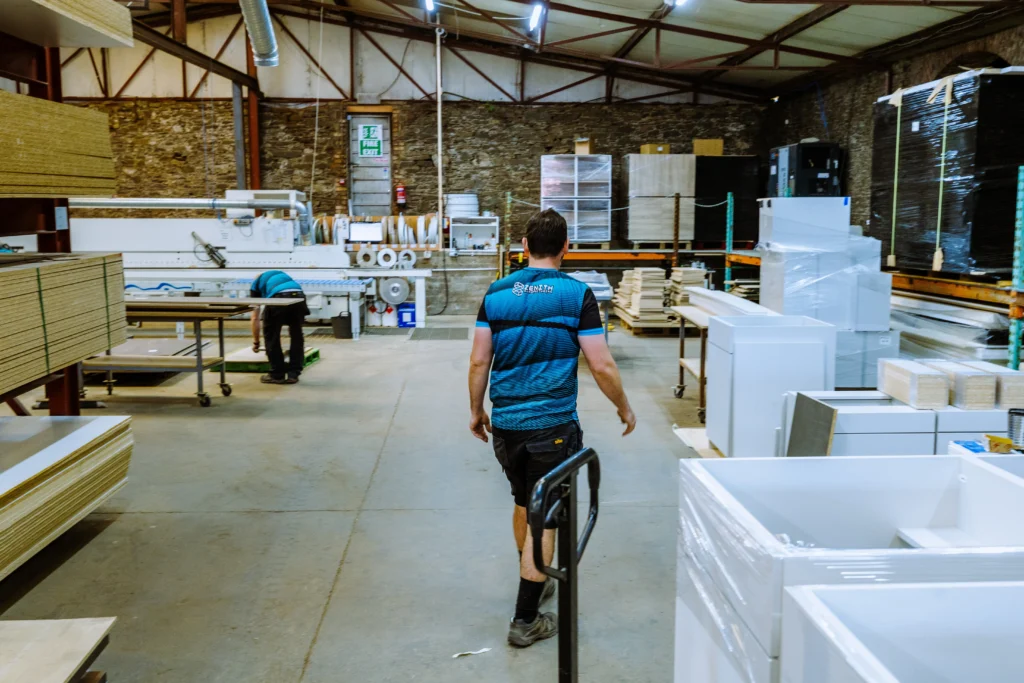
A run of kitchens, a large fit-out or a short week can fill the saw for longer than the programme allows. Sending the panel cutting out keeps your machines on the work only you can do.
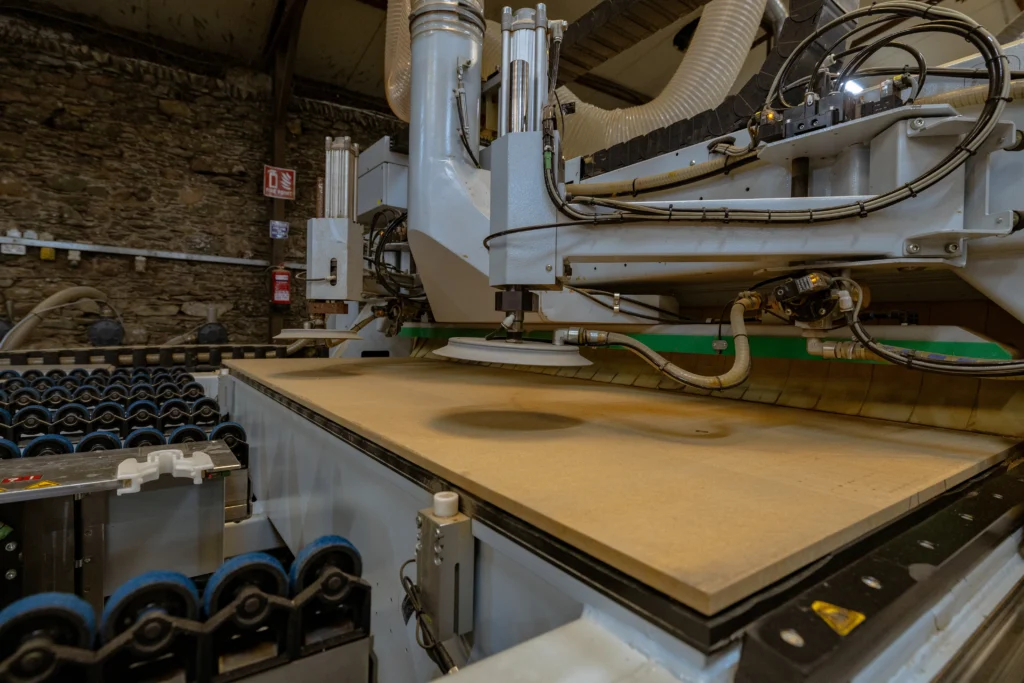
The job needs plant you do not have
A router with vacuum hold-down tables and an automatic tool changer profiles, grooves and cuts out parts that are awkward on a smaller machine or by hand. If you do not run one, buying in the machining is a decision of a different size from buying the machine.
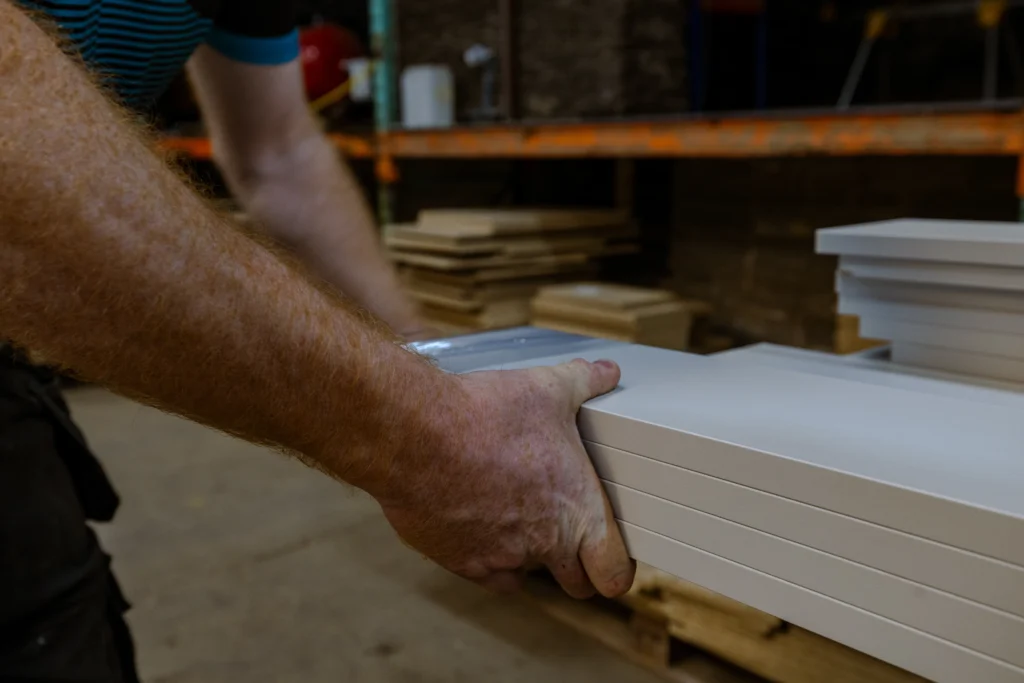
You make the same component again and again
Doors, drawer fronts, end panels. Once a part has been programmed it can run again from the same file, so the second batch matches the first.
It makes less sense for a quick one-off that you can do at your own bench in less time than it takes to write the brief.
What does a trade workshop do with the job?
The work usually falls into four operations, and most orders use more than one of them.
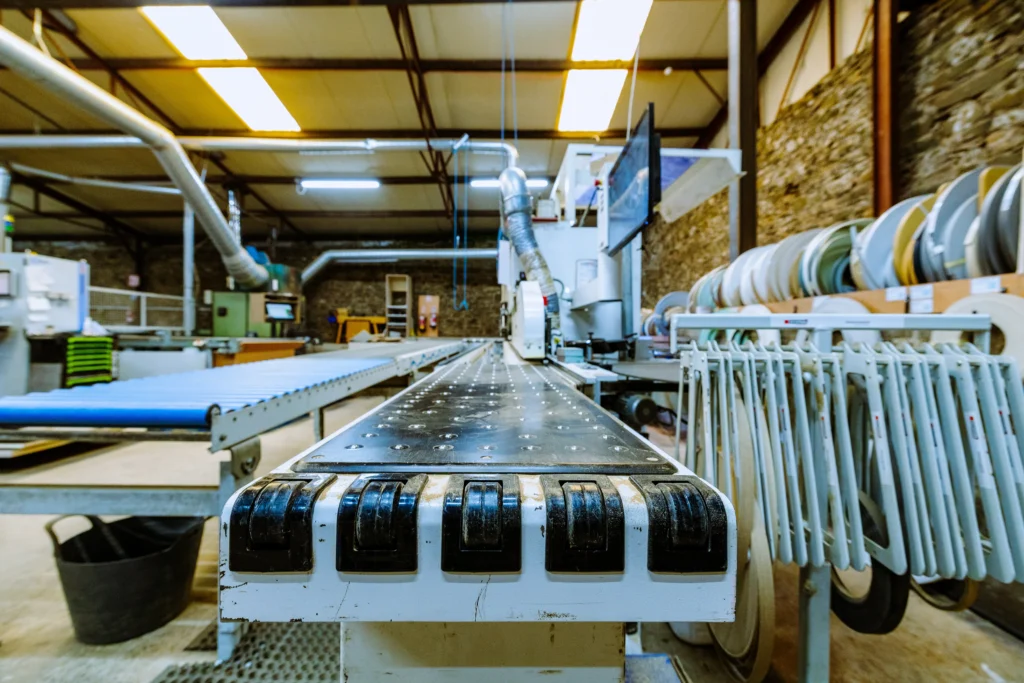
| Operation | What you get back |
|---|---|
| Cutting | Sheets cut to size and squared on the beam saw |
| Routing | Profiles, shaped edges, cut-outs, grooves, slots and recesses routed from your file |
| Drilling | Hinge, shelf, dowel and system holes in position, as part of the same programme |
| Edging | Exposed edges banded and finished, so the part is ready to use |
The point of one workshop doing all four is fewer hand-offs. A part that is cut, routed, drilled and edged in the same building is not set up and re-referenced by hand on three separate machines.
The full list of what we machine is on our CNC routing services page.
From your drawing to a packed pallet
One workshop, one programme, four stages. This is the path a typical job takes.
-
01
Your drawing arrives
A technical drawing, specification or cutting list, with the material and quantity.
-
02
It becomes a programme
Cutting files are prepared in CAD/CAM and posted to the machines as G-code, so what you send is what gets run.
-
03
Cut, routed, drilled and edged
All four operations happen in the same building, with fewer hand-offs between machines.
-
04
Packed and labelled
Finished parts are wrapped and clearly labelled for delivery, so each one can be found when the job is assembled.
What should you send with the job?
A workshop can price a job from a technical drawing, a specification or a cutting list. The more of the following is on it, the fewer questions come back before the price does.
- 1The drawing, specification or cutting list, with finished sizes in millimetres.
- 2The board, thickness and finish for each part.
- 3The quantity, and whether it is a one-off or something you will reorder.
- 4Which edges are exposed and need banding, and the edging you want on them.
- 5Drilling and routing positions, marked on the drawing rather than described in an email.
- 6When you need the parts, and whether you will collect them or want them delivered.
If you are not sure the drawing carries everything, send it anyway and ask what is missing. It is better to hear that before anything is cut.
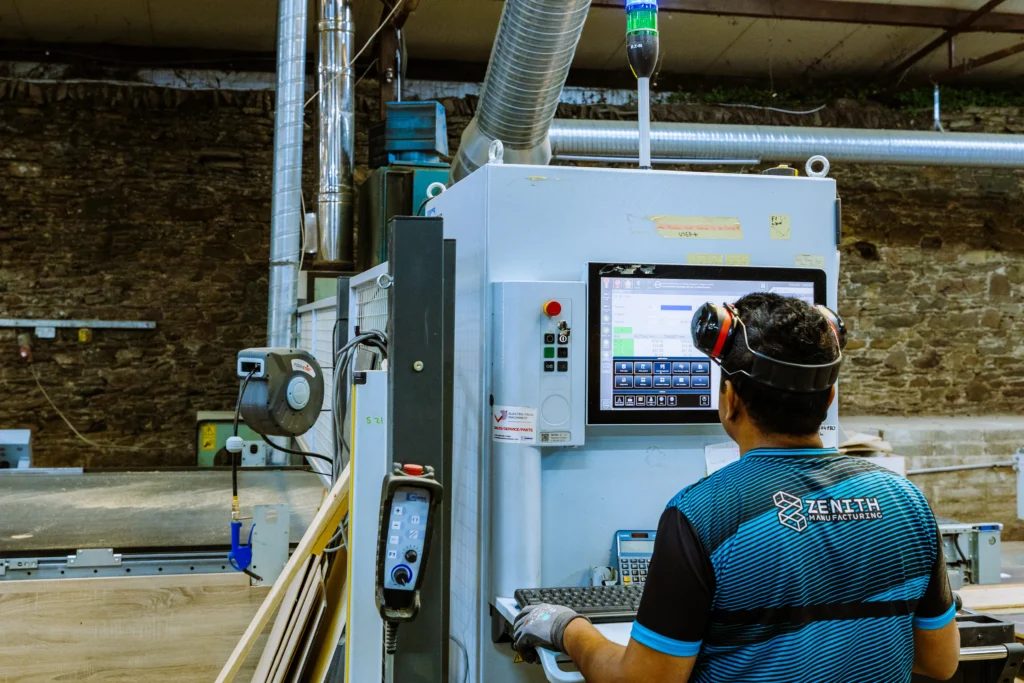
A workshop cuts what the drawing says. The shortest route to a right first batch is a brief that leaves nothing to guess.
What should you ask before you pick a workshop?
Most trade workshops will say yes to most of this. What tells them apart is how specific the answers are.
- Does one shop cut, route, drill and edge? Every extra hand-off is another place for a part to be set up differently.
- Can it repeat the job from the same file? If you will reorder, you want the second batch to match the first.
- Will it tell you what is missing before it cuts? A question on the phone costs less than a re-cut.
- Which boards and finishes can it machine? Ask before you order, not after the sheets arrive.
- What is the lead time? Ask for it with the price, because it depends on the size of the job and what is already in the workshop.
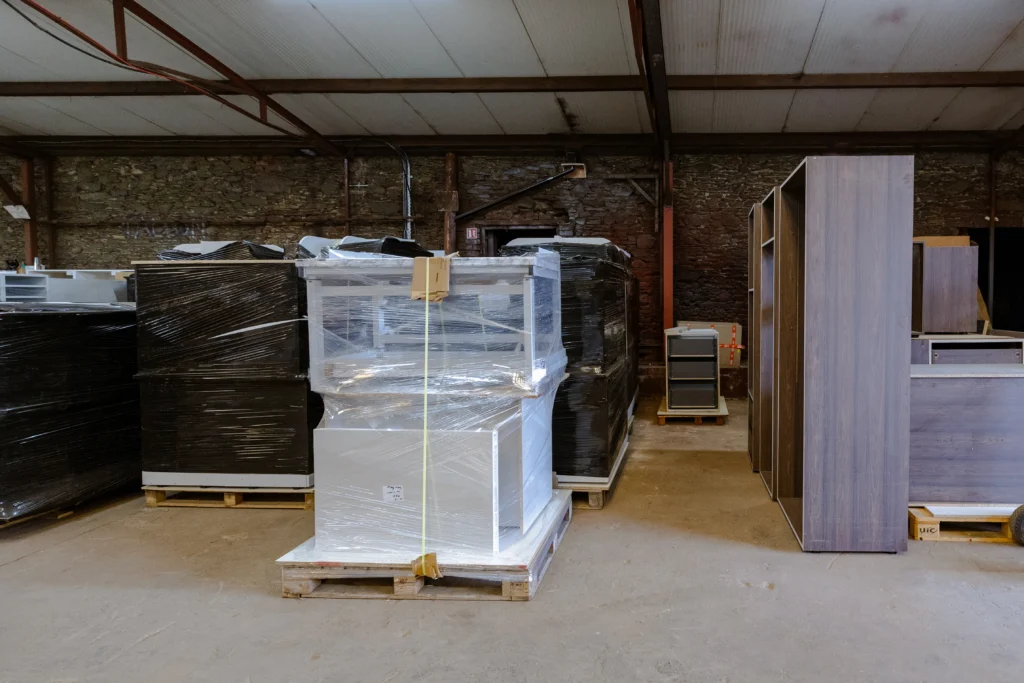
- How do the parts come back? Packed and labelled, so whoever assembles the job can find each one.
Common questions
Do I need a full drawing, or is a cutting list enough?
A technical drawing, a specification or a cutting list is enough to get a price. If parts are drilled or routed, put the positions and shapes on a drawing so they are machined rather than assumed.
Can I send the same job again later?
Yes. Once a part has been programmed it can be run again from the same file, so a repeat order matches the original rather than being set out again from scratch.
Do you work for the trade only?
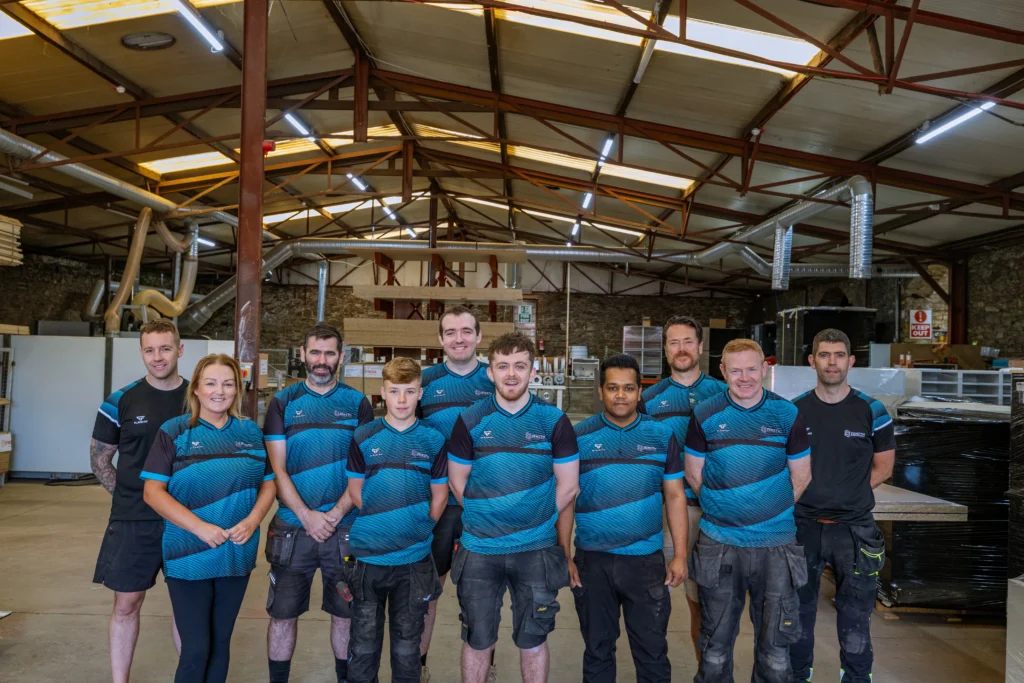
Almost all of our work is for other businesses: kitchen manufacturers, cabinet makers, joinery companies, furniture makers and fit-out contractors. We are used to working to someone else’s drawing and someone else’s programme.
Which boards can you machine?
Tell us the board, thickness and finish when you ask for a price, and we will confirm whether we can machine it before you order.
If your parts are doors or carcases
Two pages that sit alongside this guide.
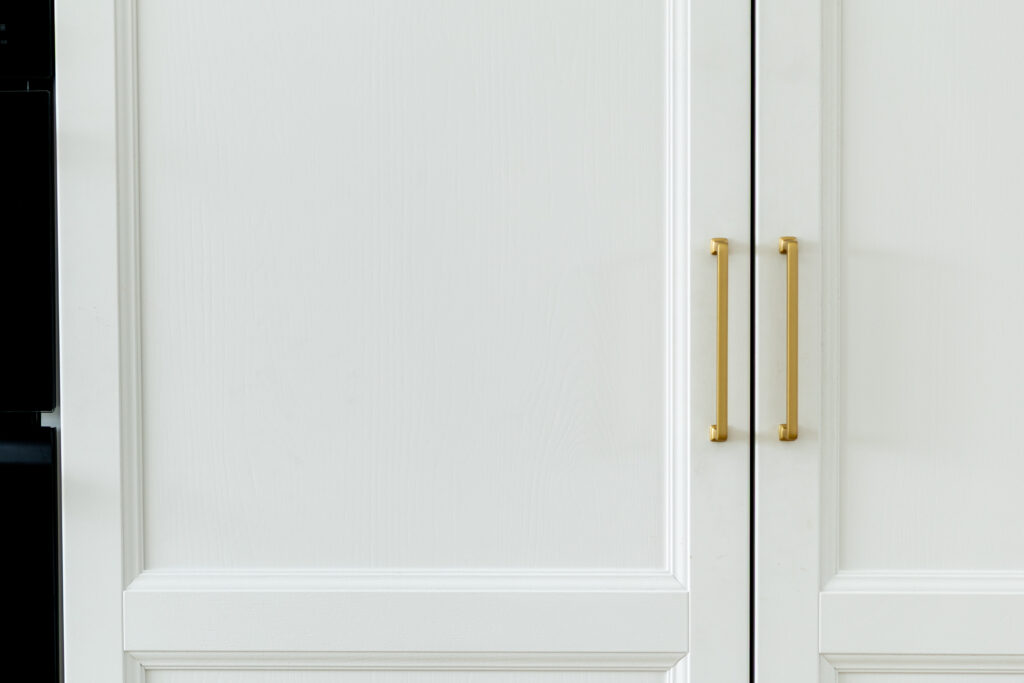
Kitchen door manufacturing for the trade
If the parts you are sending out are kitchen doors, start here.
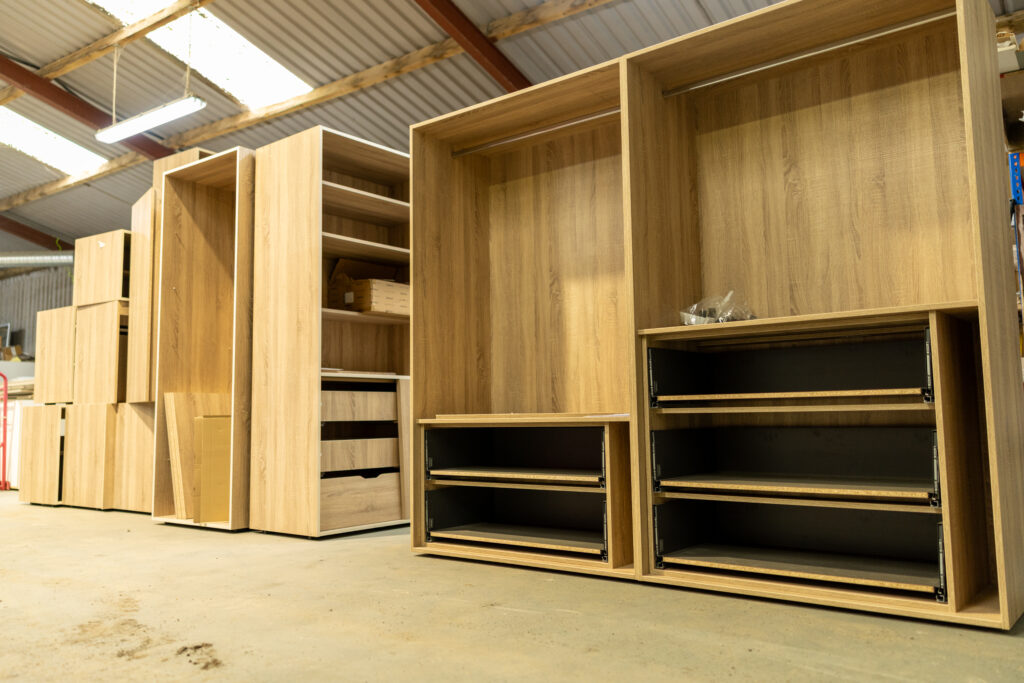
Standard kitchen unit sizes in Ireland
If you are working door sizes out from the carcase, this guide explains why a 600mm unit does not take a 600mm door.
Getting a price
Send the drawing, specification or cutting list, with the material and quantity, to info@zenithmanufacturing.ie, call 087 655 4203, or use the contact form.
We work for kitchen manufacturers, cabinet makers, joinery companies and fit-out contractors across Ireland, and you can see what we machine on the CNC routing services page.